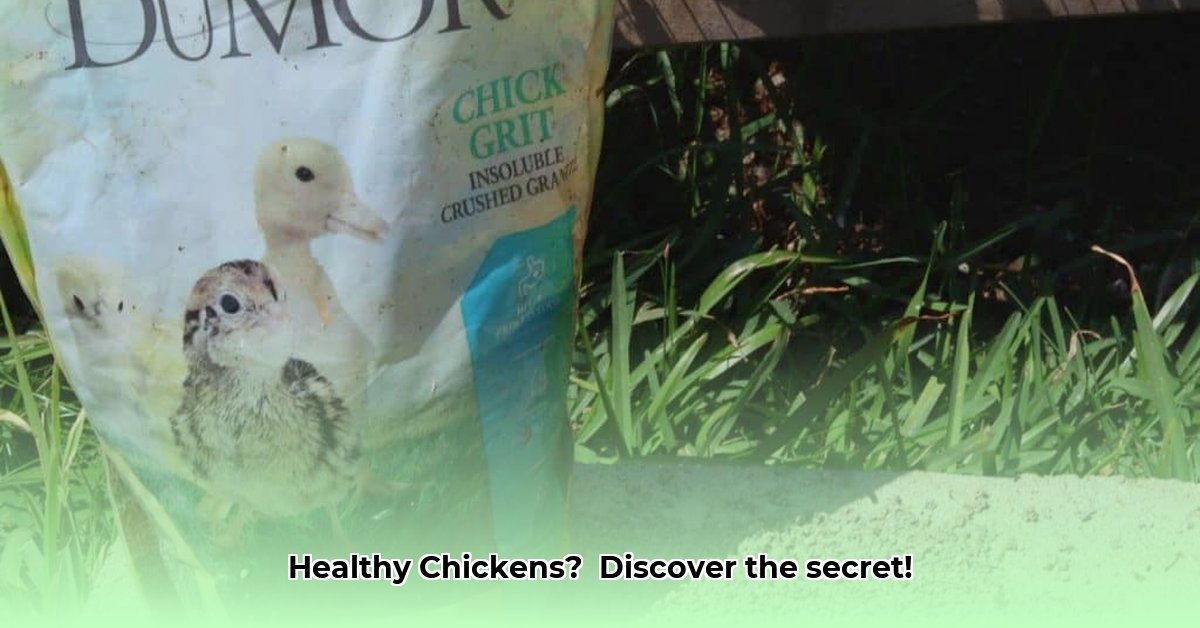
Keeping your chickens healthy and happy is paramount for any poultry farmer, whether you have a small backyard flock or a larger operation. A critical element often overlooked is proper digestion, and that's where chick grit steps in. This guide will delve into the essential role of chick grit, particularly Tractor Supply's offerings, in ensuring your chickens thrive while promoting sustainable farming practices. We'll explore what grit is, why your birds need it, how to choose the right type, and how to manage it effectively for optimal results. For more information on Tractor Supply's chick products, check out this helpful resource.
Why Do Chickens Need Grit?
Chickens, unlike humans, lack teeth. They swallow their food whole, relying on their gizzard (a muscular pouch) to grind it down. Grit acts as tiny, natural stones within the gizzard, acting like tiny millstones to break down tough seeds, grains, and other feed materials into smaller, easily digestible particles. This improved digestion translates to better nutrient absorption, leading to healthier chickens, increased egg production, and fewer health problems. Without sufficient grit, your hens might struggle to extract necessary nutrients, resulting in lower egg production, weaker bones, and increased susceptibility to illness. Isn't ensuring optimal digestion a worthwhile pursuit for any poultry keeper?
Choosing the Right Grit: Tractor Supply and Beyond
Tractor Supply offers a range of chick grit options, each with specific pros and cons. The most common types are oyster shell and granite grit. Here’s a comparison:
| Grit Type | Pros | Cons | Sustainability Considerations |
|---|---|---|---|
| Oyster Shell | Excellent calcium source, crucial for strong bones and eggshells; readily available. | Can be more expensive than other options. | Prioritize locally sourced oyster shell to minimize transportation impacts. |
| Granite | Durable, lasts longer than oyster shell; generally less expensive. | Lacks the calcium benefit of oyster shell; may contain trace minerals. | Choose sustainably mined granite to reduce environmental impact from mining. |
Expert Insight: "While granite grit offers cost-effectiveness, oyster shell provides supplemental calcium, especially vital for laying hens," states Dr. Evelyn Reed, Poultry Science Professor at the University of Georgia. "The choice depends on your priorities, however selecting locally sourced options always minimizes environmental impact."
How to Effectively Use Chick Grit: A Step-by-Step Guide
Implementing a successful grit feeding program is straightforward:
- Provide Easy Access: Use a dedicated chicken feeder, ensuring it's appropriately sized and accessible to all birds. A wide, shallow feeder prevents clogging and encourages consumption.
- Start Gradually: Introduce grit gradually, especially for chicks, to avoid potential digestive upset.
- Monitor Consumption: Regularly check the grit level and refill as needed to maintain a consistent supply. A depleted feeder signals the need for replenishment.
- Replace Regularly: Old grit loses its effectiveness. Periodically replace the grit to ensure optimal grinding action; a fresh supply ensures continued efficiency.
- Cleanliness is Key: Keep the feeder clean and dry to prevent contamination and maintain grit quality. Damp grit loses its effectiveness.
Grit and Sustainable Poultry Practices
Sustainable farming is about more than just the chickens themselves; it's about the broader environment. This includes the sourcing of your grit. Locally sourced oyster shell reduces transportation emissions, limiting your environmental footprint. Similarly, sustainably mined granite minimizes the environmental impact of mining operations. These small choices, when combined, make a significant difference. Have you considered the environmental implications of your grit choices?
Addressing Potential Grit Issues: Recognizing Deficiencies
Changes in your flock's egg production, pale combs, or overall health might indicate a grit deficiency. Here are some things to consider:
- Check Grit Supply: Ensure an adequate supply of high-quality, fresh grit is readily available.
- Source Quality: The quality of your grit is essential. Be sure it is from a reliable, reputable source.
- Veterinary Consultation: If problems persist, consult a veterinarian to rule out other health issues.
In conclusion, incorporating chick grit, such as Tractor Supply's options, into your poultry management strategy is a simple yet effective way to enhance the health of your flock and practice more sustainable farming methods. By understanding the importance of grit in chicken digestion, making informed choices about grit type, and managing it effectively, you are not only improving your birds’ well-being, but also contributing to a more environmentally responsible approach to poultry farming. Remember, even small choices, like selecting your grit carefully and responsibly, matter.
Gearing Up for Happy Hens: Essential Chicken Supplies
Embarking on the rewarding journey of raising backyard chickens means more than just acquiring cute chicks; it means providing them with a safe, comfortable, and stimulating environment. The right chicken supplies are fundamental to the health and happiness of your flock, ensuring they thrive from day one. From their cozy coop to their daily nourishment, every item plays a crucial role in creating a sanctuary where your feathered friends can flourish and reward you with delicious fresh eggs.
Key among these essentials are a sturdy coop that offers protection from the elements and predators, along with appropriately sized feeders and waterers to keep food and clean water readily available. Don’t forget ample bedding for warmth and hygiene, and perhaps even some enrichment toys or a dust bath area to support their natural behaviors. Investing in quality supplies from the outset not only simplifies your care routine but also guarantees a happy, productive flock for years to come.